Chlorine is one of the most important and widely used chemicals in water treatment and is essential for disinfection and the killing of pathogens. When using chlorine to treat drinking water, swimming pools, and in many industrial applications, careful monitoring of the free chlorine level is crucial , as both a deficiency and an excess can have serious consequences.
This article discusses methods for measuring free chlorine, its importance, the addition of liquid chlorine to water, and the key points for accurate monitoring of chlorine levels.
What is free chlorine?
Chlorine is usually found in water in two forms:
-
Free chlorine: Chlorine dissolved in water, for example as hypochlorite or chlorine gas, can kill microorganisms. This type of chlorine is necessary for water disinfection.
-
Chlorine compounds: Chlorine combines with organic substances and ammonia in water, which generally reduces its disinfecting effect.
It is crucial to pay attention to the free chlorine level, as its value indicates the actual disinfection capacity of the water and strict control of this level can prevent health problems.
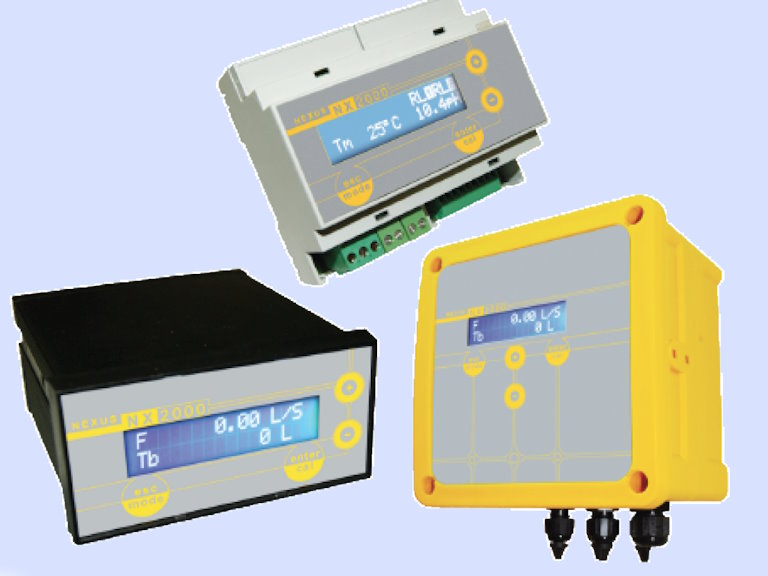
The importance of measuring free chlorine
Measuring the free chlorine content in the water is necessary for the following reasons:
-
Consumer safety: Low chlorine levels can promote the growth of microorganisms and pathogens, while high chlorine levels can lead to unpleasant taste and smell, as well as skin and eye irritation .
-
Disinfection efficiency: Thanks to careful control of the free chlorine content, water disinfection can be fully guaranteed throughout the entire water supply network.
-
Avoid additional costs: Excessive chlorine consumption can not only increase the cost of chemicals, but also lead to corrosion of pipes and equipment.
Wellmark Chemical Injection Products
Methods for determining free chlorine
There are many methods for measuring free chlorine in water , each with its own advantages and disadvantages:
1. DPD method (N,N-Diethyl-para-phenylenediamine)
-
This method is one of the most widely used methods in laboratories and in the field.
-
Adding a drop of DPD reagent to a water sample causes the water to turn pink in the presence of free chlorine . The color intensity is directly proportional to the concentration of free chlorine.
-
Advantages: Fast and precise.
-
Limitations: Requires test strips or test kits; sensitive to light and temperature.
2. Test strips
-
These test strips contain chemicals that react with free chlorine and change color.
-
Advantages: Very easy and convenient to use on site.
-
Limitations: The accuracy is relatively lower compared to laboratory methods.
3. Online chlorine sensor
-
Internet-enabled chlorine sensors are used in water treatment plants and water supply networks to continuously measure the level of free chlorine.
-
These sensors can be connected to automated control systems (PLC or SCADA).
-
Advantages: Automatic control of chlorine supply in real time.
-
Disadvantages: high purchase costs and need for regular maintenance.

Introduction of liquid chlorine into water.
Liquid chlorine (sodium hypochlorite at a concentration of 10–15%) is typically used to generate free chlorine . The liquid chlorine is added in the following steps:
1. Choose the appropriate dose.
The amount of chlorine added depends on factors such as the quality of the raw water, the flow rate , and the purpose of disinfection . Typically, the required free chlorine level in drinking water is between 0.2 and 1 mg/l.
2. Use a chlorine injection pump.
-
Dosing pumps enable precise chlorine supply depending on the water flow rate.
-
Some systems are equipped with automated control units that can adjust the injection rate based on signals from chlorine sensors.
3. Mix the ingredients thoroughly and bring them into contact.
-
For effective disinfection, liquid chlorine must be mixed with water and sufficient contact time must be ensured.
-
To ensure sufficient reaction time in the post-injection process, a reservoir or communication channel is typically used.
Control and monitoring of free chlorine
There are two ways to control the level of free chlorine:
-
Manual control: Operators regulate the chlorine level using measuring devices and regular sample measurements.
-
Automatic control: A built-in chlorine sensor is connected to the dosing pump to monitor the chlorine level in real time and send a signal to the pump to increase or decrease the dosage.
Strict control of the chlorine level helps maintain water quality and prevents legal and health problems.
Important points regarding chlorine injection.
-
Storage of liquid chlorine: Liquid chlorine is unstable and decomposes when exposed to light and heat. Therefore, it should be stored in a cool, dark place.
-
Occupational safety: Direct contact with liquid chlorine can cause skin and eye irritation; therefore, the use of gloves, safety goggles, and adequate ventilation is essential.
-
Temperature and pH control: The effectiveness of chlorine depends on the pH value and the temperature; at a pH value above 8, the disinfection effect decreases.
-
Continuous monitoring: Even with automated systems , it is recommended to perform regular manual checks to ensure the accuracy of the sensors.
Inquiry
Monitoring the levels of free chlorine and injected liquid chlorine is crucial in the following cases:
-
Drinking water: Disinfection of urban water supply systems and prevention of microbial diseases.
-
Pool: to prevent the growth of algae and microorganisms.
-
Food and pharmaceutical industries: Provision of disinfectants for drinking water and purified water.
-
Petrochemical plants and power stations: Water treatment for cooling towers and cooling systems.
In conclusion
In various industries and water treatment plants, monitoring free chlorine and added liquid chlorine is a crucial component of water quality management. Accurate measurement of free chlorine using the DPD method, test strips, or integrated sensors enables users to add the correct amount of chlorine, thus protecting consumer health.
The addition of liquid chlorine must be carried out with caution and in compliance with safety regulations. Real-time monitoring of the free chlorine level is crucial to prevent health problems, reduce costs, and maintain water quality. Effective and sustainable disinfection systems can be achieved through the use of appropriate equipment, continuous monitoring, and strict adherence to safety protocols.